
9ct vs 18ct gold, and white gold vs platinum: which should you buy? (2026)
The metal changes the look, the wear and the price of a piece of jewellery as much as the stones do. This is what 9ct, 14ct and 18ct gold really mean, how white gold and platinum differ, and what you pay for each, using the UK's hallmarking standards and Goldsmiths' own prices for the same design in different metals.
We don't sell jewellery. Links to retailers are affiliate links: if you buy after following one, the retailer may pay us a commission. You pay the same price, and no brand or retailer pays to appear. How this works
In this guide
The short answer: 18ct gold for a special piece, 9ct gold for everyday wear and a lower price, and platinum if you want a naturally white metal that doesn't need re-plating. That's Goldsmiths' own advice, and the prices below show what each choice costs on the same ring.
Every piece here is sold new by Goldsmiths, a UK authorised retailer, at Goldsmiths' own price on the date shown.
How we wrote this
The purity figures come from the UK hallmarking standards, as published by the London Assay Office. The advice on colour, wear and care comes from Goldsmiths' own buying guides, and the prices are Goldsmiths' for designs it sells in more than one metal. We earn a commission if you buy through our links, which never changes the price you pay.
What the carats and hallmarks mean
A UK hallmark includes a compulsory millesimal fineness mark, which shows the purity in parts per thousand, according to the London Assay Office:
| Metal | Hallmark number | Pure metal |
|---|---|---|
| 9ct gold | 375 | 37.5% |
| 14ct gold | 585 | 58.5% |
| 18ct gold | 750 | 75% |
| 22ct gold | 916 | 91.6% |
| Sterling silver | 925 | 92.5% |
| Platinum | 950 | 95% |
Goldsmiths explains that pure (24ct) gold is soft and easy to scratch, so it's mixed with other metals to make it more resistant, or to change its colour to white or pink.
What you pay: the same ring in three metals
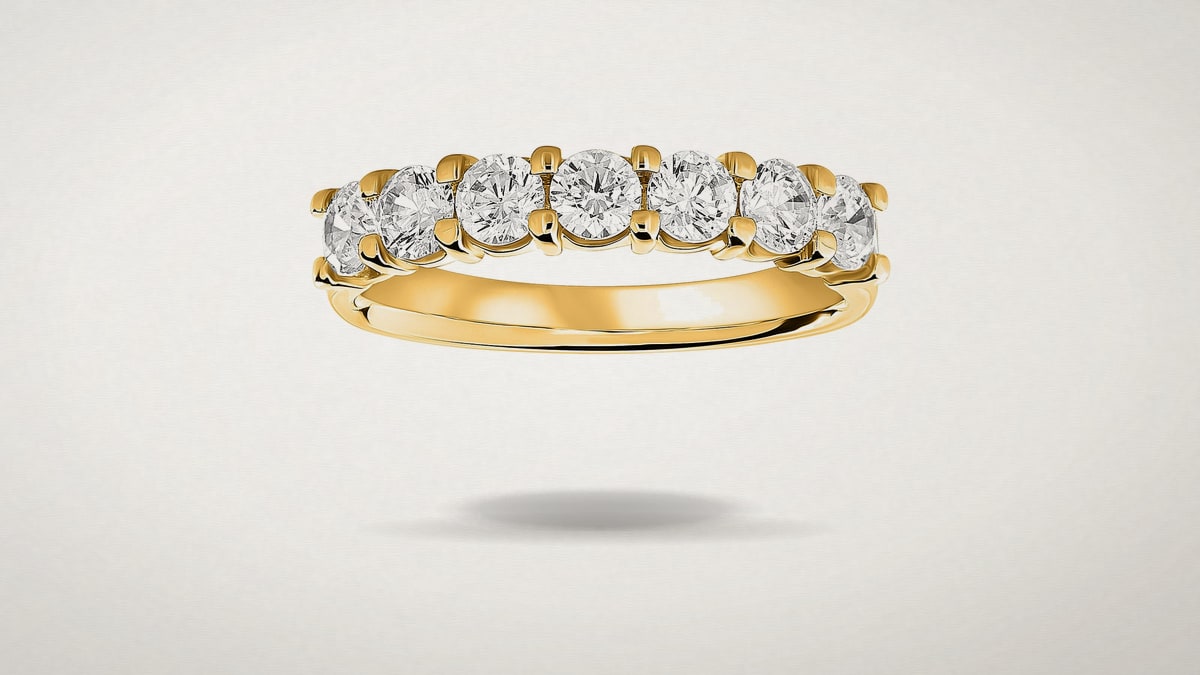
Goldsmiths sells some designs in several metals with the same diamonds, which shows what the metal alone adds:
| Design | 9ct gold | 18ct gold | Platinum |
|---|---|---|---|
| 1 carat half eternity ring (I colour, I1 clarity) | £3,100 | £3,500 | £4,000 |
| 11mm huggie hoop earrings (no stones) | £175 | £425 |
Prices are Goldsmiths' own on the date shown. On the ring, the diamonds are the same in every version, according to Goldsmiths, so the difference is the metal.
-
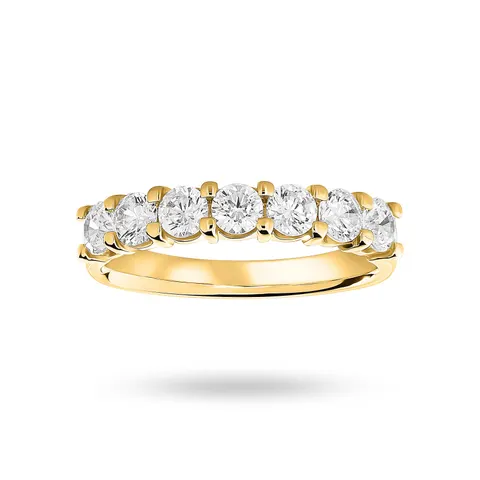 Goldsmiths9 Carat Yellow Gold 1.00 Carat Brilliant Cut Under Bezel Half Eternity Ring
Yellow gold · Diamond
£3,100Price at Goldsmiths, 28 October 2026
See it at Goldsmiths
-
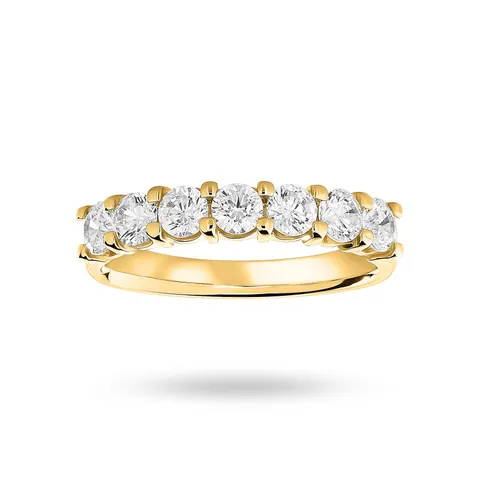 Goldsmiths18 Carat Yellow Gold 1.00 Carat Brilliant Cut Under Bezel Half Eternity Ring
Yellow gold · Diamond
£3,500Price at Goldsmiths, 28 October 2026
See it at Goldsmiths
-
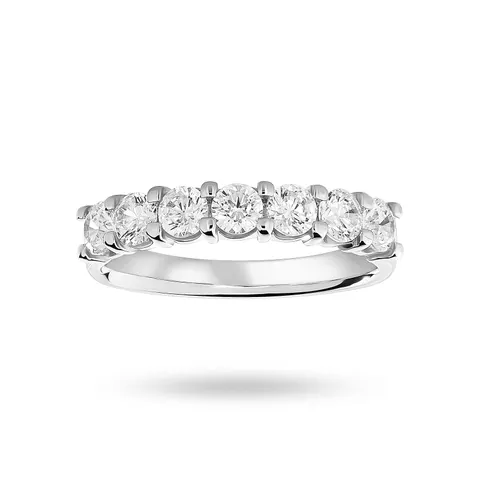 GoldsmithsPlatinum 1.00 Carat Brilliant Cut Under Bezel Half Eternity Ring
Platinum · Diamond
£4,000Price at Goldsmiths, 28 October 2026
See it at Goldsmiths
9ct or 18ct gold?
18ct gold is 75% pure gold. Goldsmiths' jewellery buyer describes it as "a wonderful option if you're looking for a special piece of jewellery, because it still has a high pure gold content and a lustrous look", and Goldsmiths calls it more resistant than pure gold, with a luxurious weight and sheen.
9ct gold is 37.5% gold. Goldsmiths says lower carats like 9ct and 14ct still share gold's famous shine, but are generally more affordable and even more hard-wearing, making them ideal for everyday jewellery.
Goldsmiths' advice: "If the piece is for a special gift or unique occasion, it's great to invest in 18k gold or platinum, whereas a 9k piece is excellent for wearing every day."
-
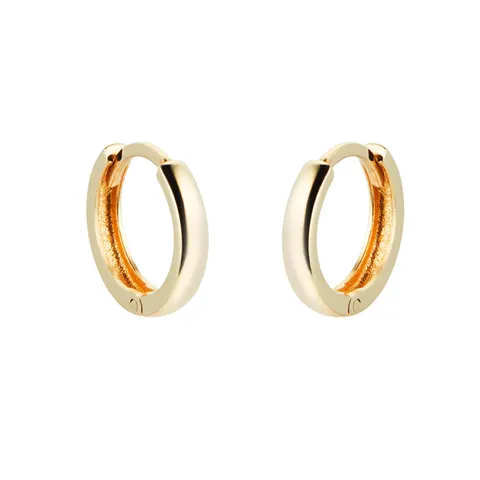 Goldsmiths9ct Yellow Gold 11mm Huggie Hoop Earrings
Yellow gold
£175Price at Goldsmiths, 28 October 2026
See it at Goldsmiths
-
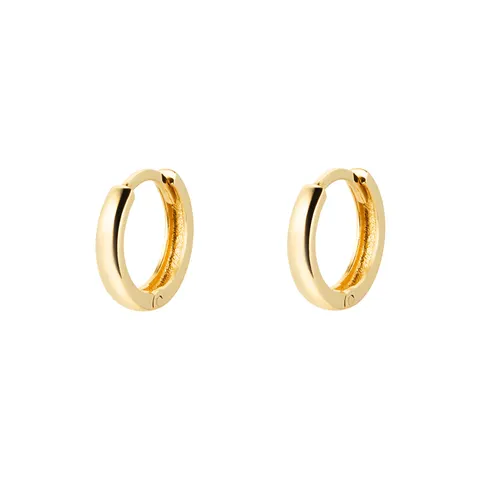 Goldsmiths18ct Yellow Gold 11mm Huggie Hoop Earrings
Yellow gold
£425Price at Goldsmiths, 28 October 2026
See it at Goldsmiths
White gold or platinum?
Both are white metals, but they're made differently, according to Goldsmiths:
- White gold is an alloy: yellow gold mixed with nickel, manganese or palladium. 18ct white gold is about 75% pure gold, with a bright, lustrous finish. Unlike platinum, it needs re-plating every few years.
- Platinum is naturally pale grey and takes on a brilliant white colour and mirror-like shine when polished. Goldsmiths says it's rarer than gold, extremely strong (so it holds delicate settings well), denser and heavier, nickel-free and hypoallergenic, and doesn't need re-plating. It also takes on a duller patina over time, which Goldsmiths calls desirable.
Which to choose: platinum for a ring you'll wear every day for life and never want to re-plate; white gold for a brighter look at more price points.
Yellow, white or rose gold?
The carat is the gold content; the colour comes from what it's mixed with. Goldsmiths says rose gold gets its pink tones from copper rather than nickel, which makes it less likely to cause skin irritation than white gold. Yellow gold, it says, has "made a brilliant revival in recent years", and mixing metals is fashionable: white, yellow and rose gold can be worn together.
One exception: Goldsmiths advises against wearing gold of any shade next to platinum, because the denser platinum can wear the gold away.
Silver
Sterling silver is hallmarked 925: 92.5% silver. For silver gift ideas, see our Christmas jewellery gifts for her.
More platinum jewellery
10 more from Goldsmiths, from £1,275 to £6,250. Prices and details are Goldsmiths' own; we haven't written about these ones in detail.
-
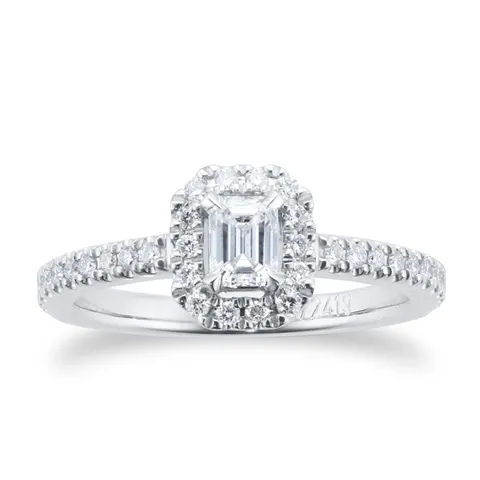 Mappin & WebbAmelia Engagement Ring With Diamond Band 0.50 Carat Total Weight
Platinum · Diamond
£1,275
£3,250Sale price at Goldsmiths, 28 October 2026 See it at Goldsmiths -
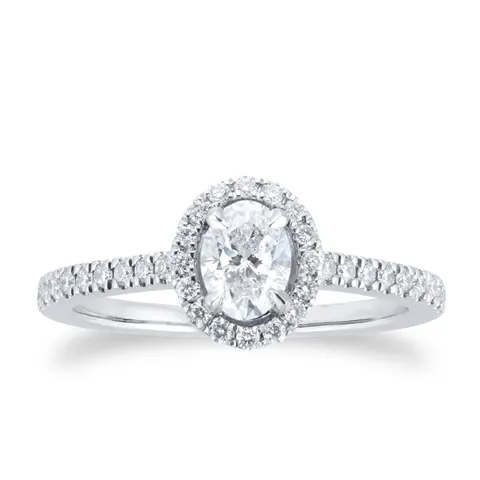 Mappin & WebbAmelia Platinum 0.75ct Oval Cut Diamond Ring
Platinum · Diamond
£2,250
£5,000Sale price at Goldsmiths, 28 October 2026 See it at Goldsmiths -
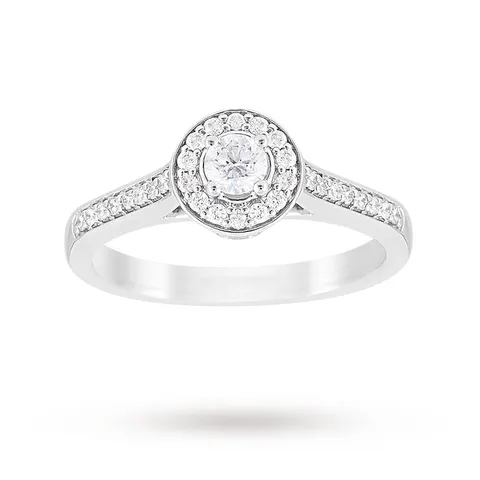 Jenny PackhamBrilliant Cut 0.35 Carat Total Weight Halo Diamond Ring In Platinum
Platinum · Diamond
£2,500Price at Goldsmiths, 28 October 2026
See it at Goldsmiths
-
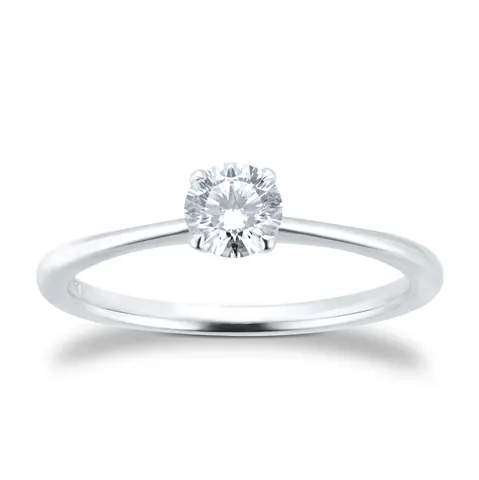 GoldsmithsExclusive Platinum 0.40cttw Brilliant Cut Solitaire Goldsmiths Signature Diamond Engagement Ring
Platinum · Diamond
£2,950Price at Goldsmiths, 28 October 2026
See it at Goldsmiths
-
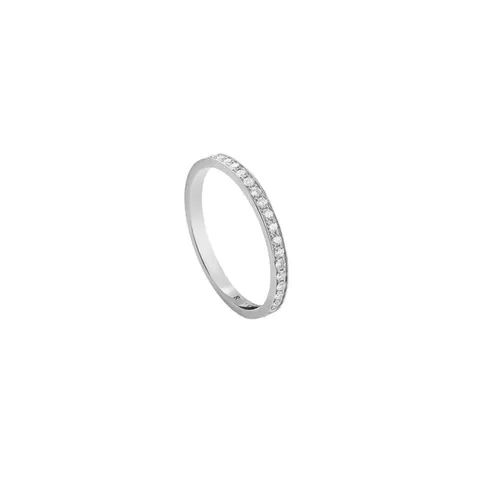 RepossiRepossi Platinum Paved with Diamonds 0.36ct Eternity Ring
Platinum · Diamond
£3,060Price at Goldsmiths, 28 October 2026
See it at Goldsmiths
-
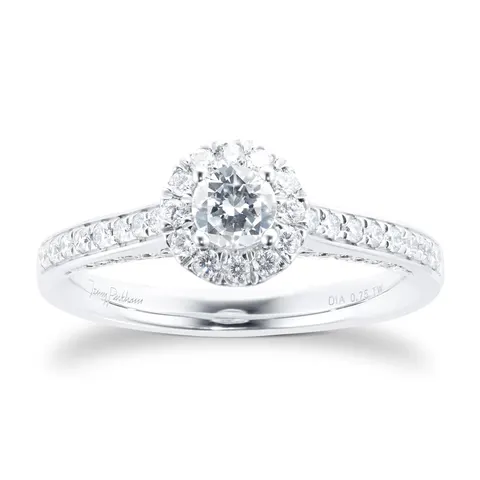 Jenny PackhamPlatinum 0.75cttw Brilliant Cut Halo Diamond Ring
Platinum · Diamond
£3,500Price at Goldsmiths, 28 October 2026
See it at Goldsmiths
-
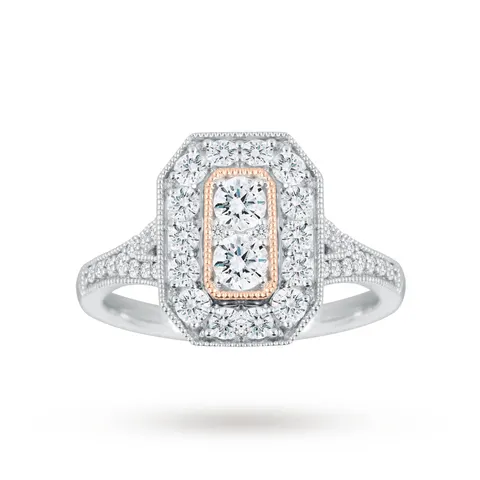 Jenny PackhamPlatinum 0.90 Carat Diamond Ring With Rose Gold Milgrain
Platinum · Diamond
£3,500Price at Goldsmiths, 28 October 2026
See it at Goldsmiths
-
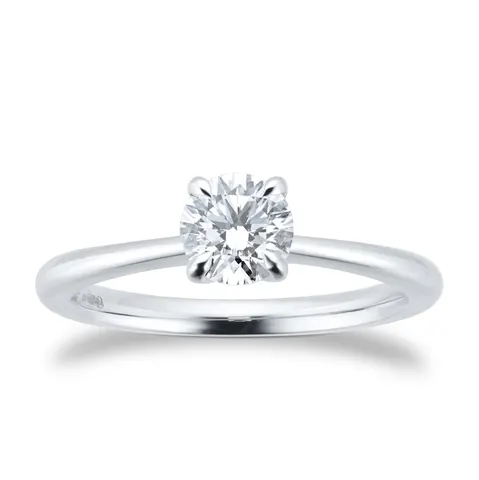 GoldsmithsExclusive Platinum 0.50cttw Brilliant Cut Solitaire Goldsmiths Signature Diamond Engagement Ring
Platinum · Diamond
£3,750Price at Goldsmiths, 28 October 2026
See it at Goldsmiths
-
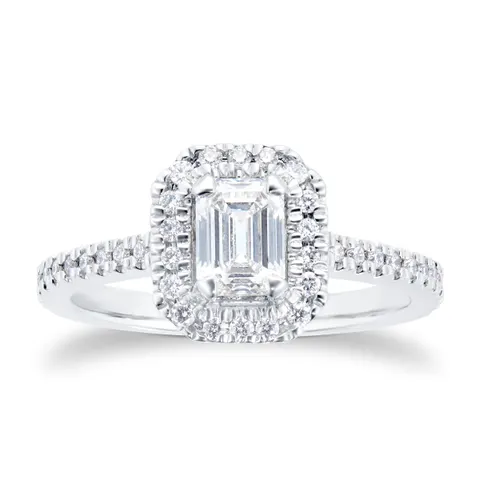 Mappin & WebbAmelia Platinum 0.90cttw Diamond Engagement Ring
Platinum · Diamond
£4,500
£7,000Sale price at Goldsmiths, 28 October 2026 See it at Goldsmiths -
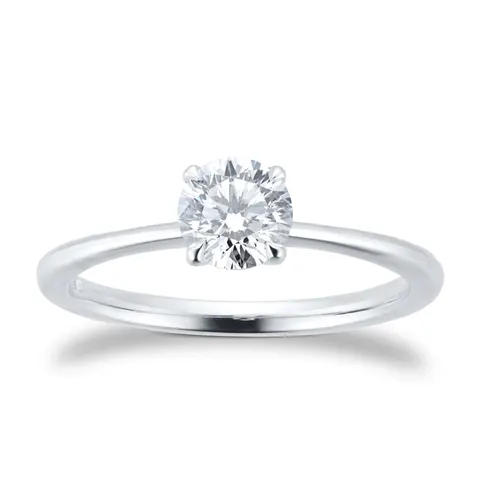 GoldsmithsExclusive Platinum 0.70cttw Brilliant Cut Solitaire Goldsmiths Signature Diamond Engagement Ring
Platinum · Diamond
£6,250Price at Goldsmiths, 28 October 2026
See it at Goldsmiths
- Still looking?See more jewellerySee them all
Questions people ask
Is 9ct or 18ct gold better?
What percentage of gold is 9ct?
Is white gold or platinum better for an engagement ring?
Does white gold need re-plating?
Can you wear gold and platinum rings together?
Is rose gold good for sensitive skin?
What do the numbers in a hallmark mean?
Related guides
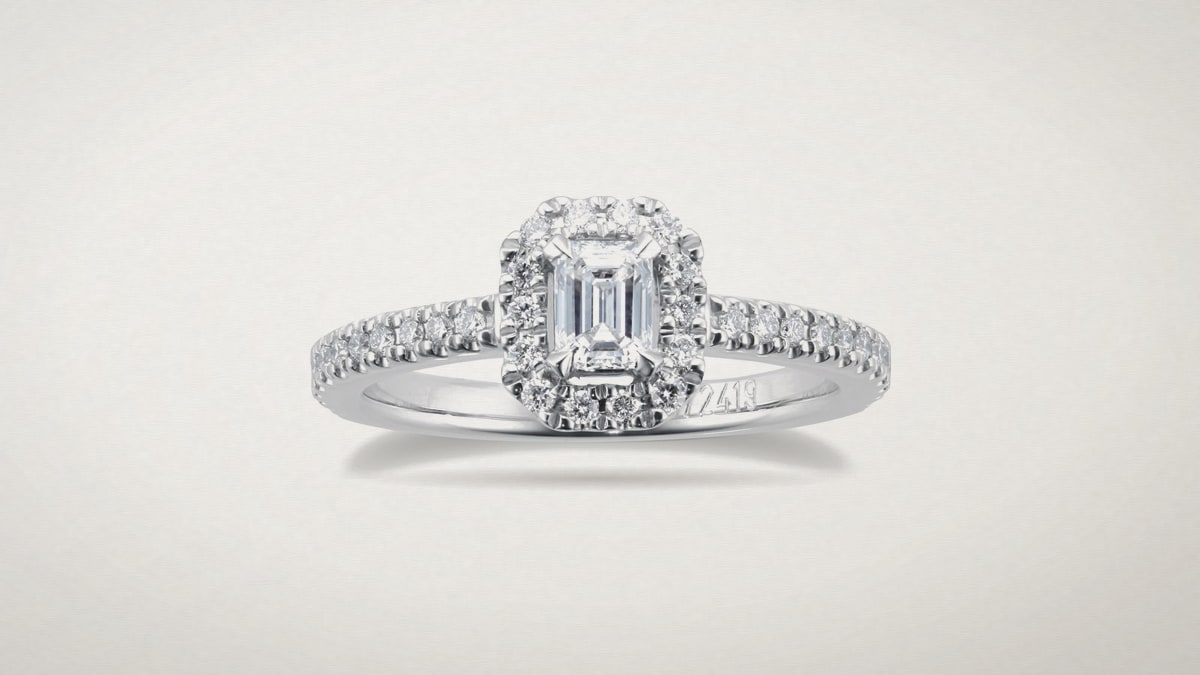 Engagement rings UK (2026): the best under £1,000, £2,000 and £5,000An engagement ring is the biggest jewellery decision most people make. This is the ring we'd choose at each budget, which ones come with a GIA diamond certificate, and what the shape, setting and grades mean, so you can compare rings properly.
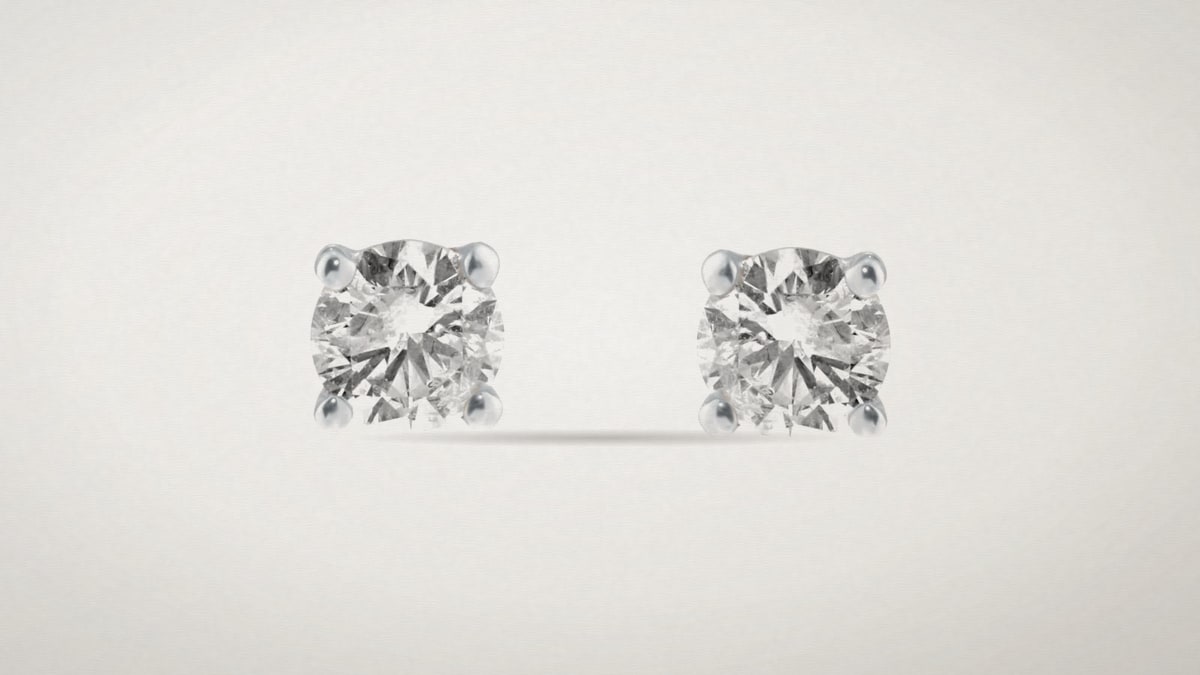 Diamond stud earrings UK (2026): the best at every budget, and what the grades meanDiamond studs are the jewellery gift that never dates. This is which pair to buy at every budget, from a silver pair under £250 to a carat and more, and what the carat, colour and clarity grades on the label actually mean, so you know what you're paying for.
 Christmas jewellery gifts for her 2026: the best at every budget, from under £50Jewellery is the Christmas gift that's worn long after the wrapping is gone. These are the best gifts for her at every budget, from a Thomas Sabo charm to a Chopard Happy Hearts pendant, all in stock at a UK authorised retailer, with tips for getting it right without asking.
How we write these guides: every piece of jewellery is one you can buy new from a UK authorised retailer. Prices and specifications come from the retailer's own product page, and anything extra comes from the brand's website. We check prices and stock every morning, but they can change, so the retailer's page always has the final word. No brand or retailer pays to appear. Read how we choose watches and jewellery and our editorial policy; spotted a mistake? Email contact@sterlingguild.co.uk.