
Diamond grades explained (2026): the clarity chart, colour scale and carat in plain English
Every diamond label has a colour and a clarity grade, like H SI1 or I I1. This is what those letters mean, from best to worst, using the definitions of GIA (the Gemological Institute of America, which created the scales), and how much the grade changes the price of the same-sized diamond.

We don't sell jewellery. Links to retailers are affiliate links: if you buy after following one, the retailer may pay us a commission. You pay the same price, and no brand or retailer pays to appear. How this works
Our top picks
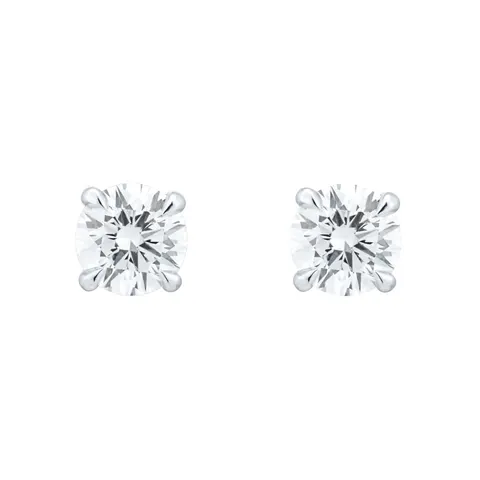
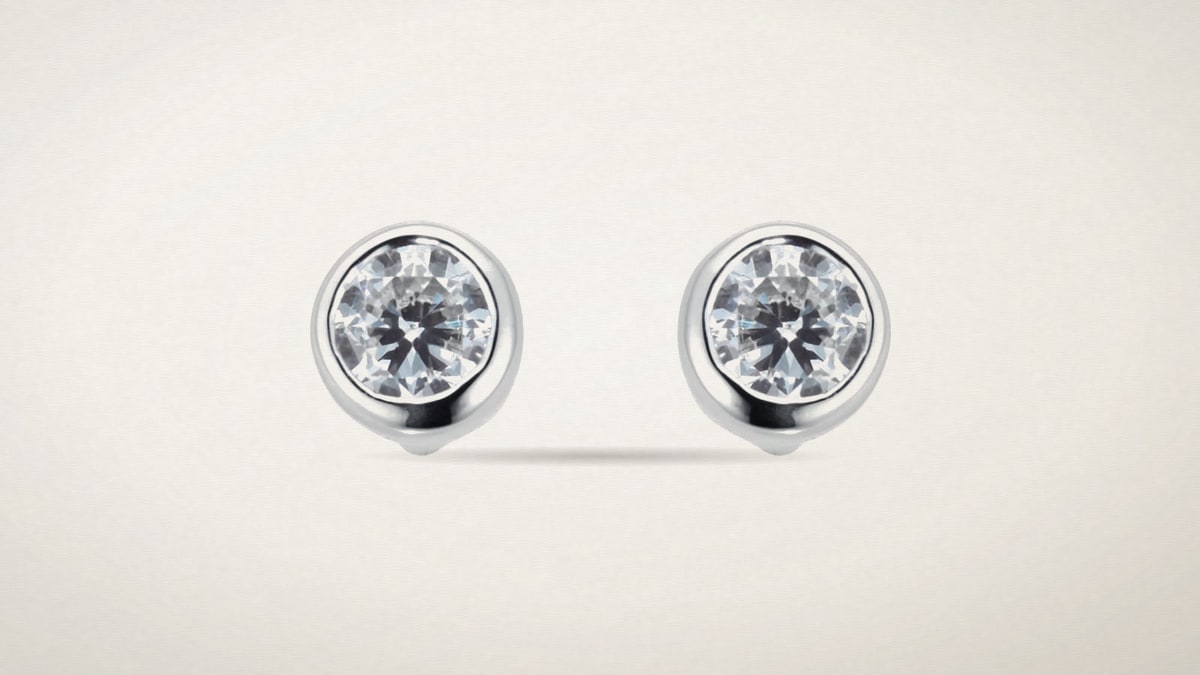
- Higher gradesGoldsmiths Exclusive 18ct White Gold 0.50cttw Brilliant Cut Solitaire Goldsmiths Signature Diamond Stud Earrings£2,500Half a carat across the pair, H colour and SI1 clarity, in 18ct white gold.
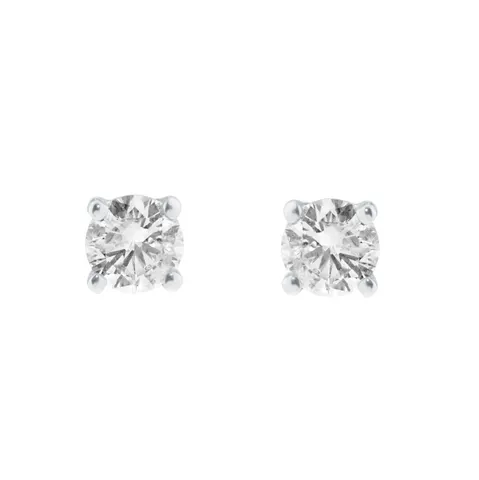
- Same weight, lower gradesGoldsmiths 9ct White Gold 0.50cttw Round Brilliant Cut Solitaire Stud Earrings£650Also half a carat across the pair, but I colour and I2 clarity, in 9ct white gold.
In this guide
The short answer: a diamond's clarity grade says how many tiny marks (inclusions) it has, from FL (flawless) down to I3; its colour grade says how white it is, from D (colourless) down to Z. For most jewellery, G to H colour and VS or SI clarity is the sweet spot between sparkle and price. I grades cost much less, and show more.
How we wrote this
Every definition here comes from GIA, the Gemological Institute of America, which created the colour and clarity scales most jewellers use. The examples and prices are Goldsmiths' own, from the diamond jewellery it had in stock when we checked. We earn a commission if you buy through our links, which never changes the price you pay.
The diamond clarity chart, best to worst
| Grade | Name | What GIA says |
|---|---|---|
| FL | Flawless | No inclusions and no blemishes visible |
| IF | Internally flawless | No inclusions visible, but has blemishes |
| VVS1, VVS2 | Very, very slightly included | Inclusions so slight they're difficult for a skilled grader to see |
| VS1, VS2 | Very slightly included | Inclusions observed with effort, but minor |
| SI1, SI2 | Slightly included | Inclusions are noticeable |
| I1, I2, I3 | Included | Inclusions are obvious, and may affect transparency, brilliance and durability |
GIA grades clarity under 10x magnification, so "noticeable" means to a trained grader with a loupe, not always to the naked eye.
What Goldsmiths sells: of the graded diamond pieces we checked, the most common clarity was I1 (more than 500 pieces), then VS and SI1. That's why we always state the grade in our guides.
The diamond colour scale
| Grades | On GIA's scale |
|---|---|
| D, E, F | Colourless |
| G, H, I, J | Near colourless |
| K, L, M | Faint tint |
| N to Z | Very light to light yellow, brown or grey |
GIA says colour differences can be subtle but make a big difference to quality and price. Set in yellow gold, a slightly warmer diamond shows less; in white gold or platinum, a whiter one stands out more.
Carat: weight, not size
A carat is a weight: GIA defines it as 0.2 grams, split into 100 points, so a "50-point" diamond is 0.50 carats. On earrings, eternity rings and bracelets, cttw (carat total weight) means all the diamonds added together: 0.50cttw studs have about 0.25 carats in each earring.
What the grade does to the price
The clearest way to see it: two pairs of studs with the same total diamond weight, 0.50 carats, at Goldsmiths:
| Pair | Colour | Clarity | Metal | Price |
|---|---|---|---|---|
| Goldsmiths Signature studs | H (near colourless) | SI1 | 18ct white gold | £2,500 |
| 9ct white gold solitaire studs | I (near colourless) | I2 | 9ct white gold | £650 |
The difference is the grades, and the metal (18ct against 9ct). Both are real, natural diamonds; the Signature pair is whiter and clearer under magnification.
Which grades should you choose?
- Earrings and eternity rings: small diamonds that move hide lower grades well. SI or even I1 is good value; I2 and I3 are the budget end.
- An engagement ring or a single large diamond: grades show more. G to H colour and VS or SI clarity is a popular balance. See our engagement rings guide.
- Yellow or rose gold: a slightly lower colour grade (I or J) shows less against the warm metal.
- Check for a certificate if it matters to you: most of Goldsmiths' diamond pieces say "Diamond Not Certified", meaning the grades are Goldsmiths' own.
For the best pieces at each grade, see our diamond studs, diamond pendants and eternity rings guides. For the metal, see 9ct vs 18ct gold and platinum.
Get our Black Friday price checks
We'll email you the real Black Friday reductions at Goldsmiths, checked against our own daily price records, and the week's biggest price drops. Unsubscribe any time.
Nothing until you confirm, and every email has a link to stop. Privacy
Questions people ask
What are the diamond clarity grades, from best to worst?
What is a good diamond clarity?
What is the diamond colour scale?
What is a carat?
Is colour or clarity more important?
Are Goldsmiths' diamonds certified?
Related guides
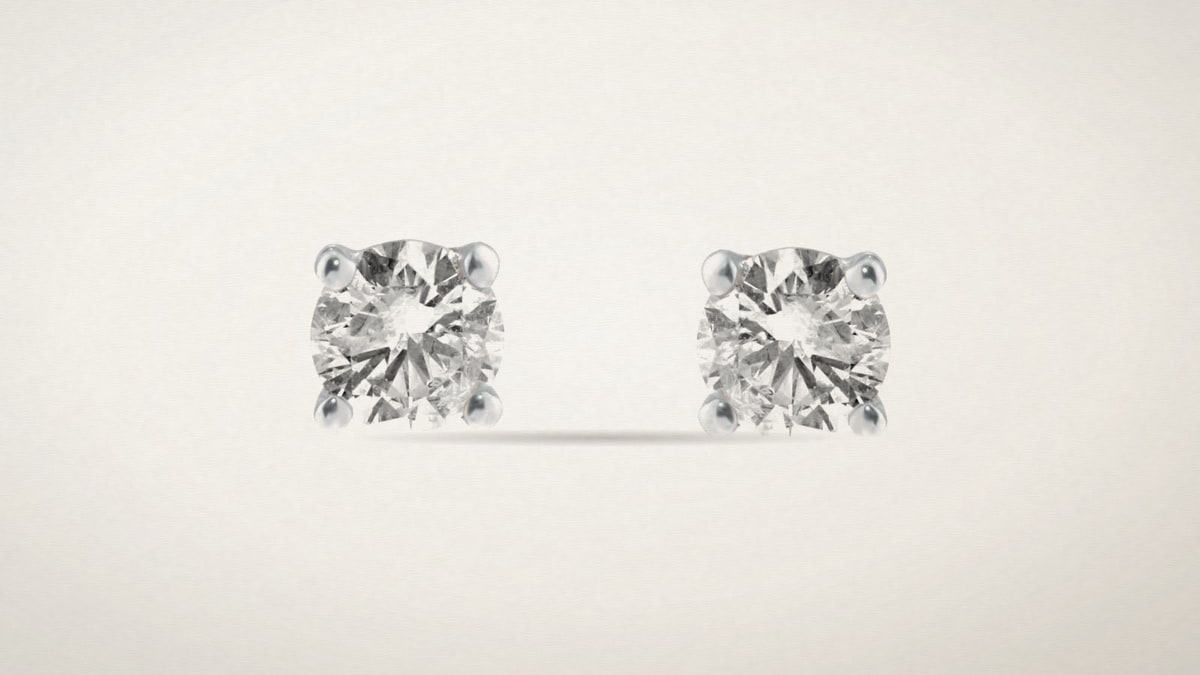 Diamond stud earrings UK (2026): the best at every budget, and what the grades meanDiamond studs are the jewellery gift that never dates. This is which pair to buy at every budget, from a silver pair to a carat and more, and what the carat, colour and clarity grades on the label actually mean, so you know what you're paying for.
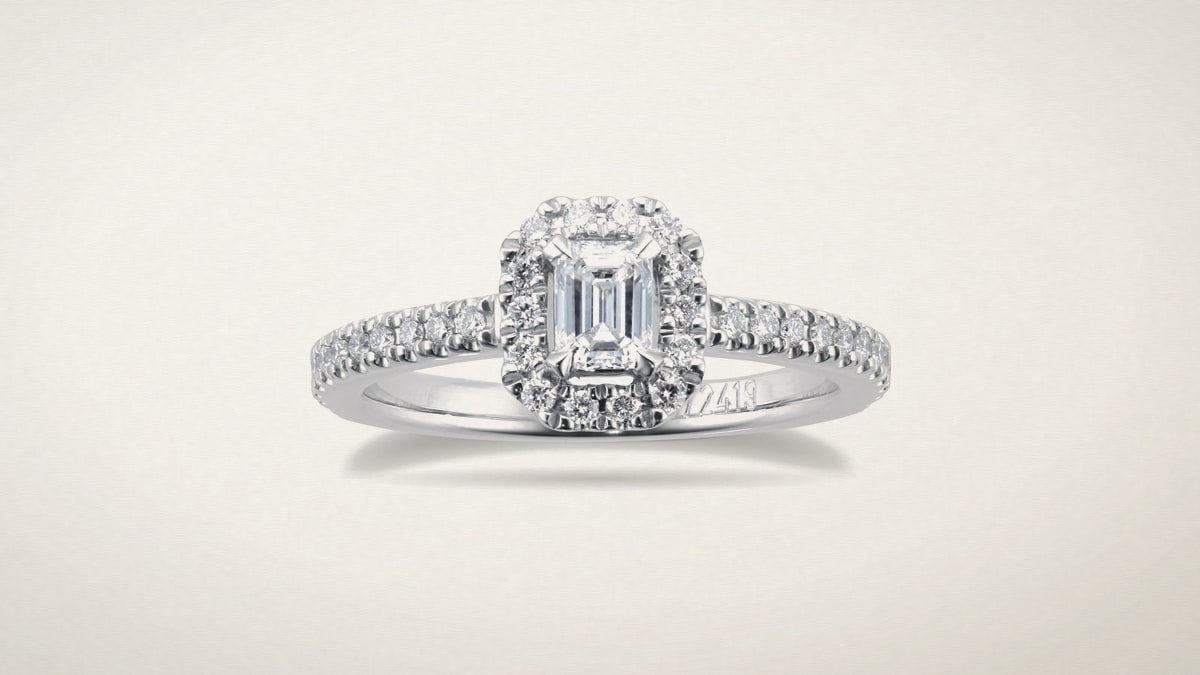 Engagement rings UK (2026): the best under £1,000, £2,000 and £5,000An engagement ring is the biggest jewellery decision most people make. This is the ring we'd choose at each budget, which ones come with a GIA diamond certificate, and what the shape, setting and grades mean, so you can compare rings properly.
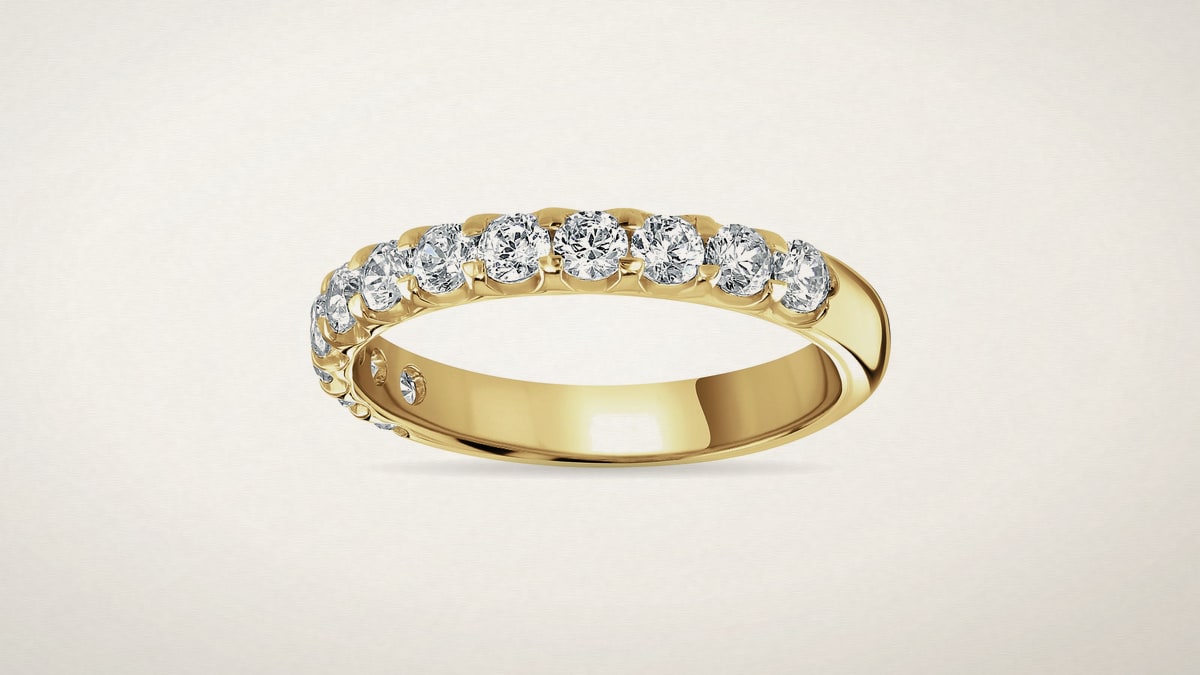 Eternity rings UK (2026): what they mean, full vs half, and the best at every budgetAn eternity ring traditionally marks the birth of a child or a big anniversary. This is what it means, the difference between a full and a half eternity ring, how to match it to her other rings, and the one we'd buy at every budget.
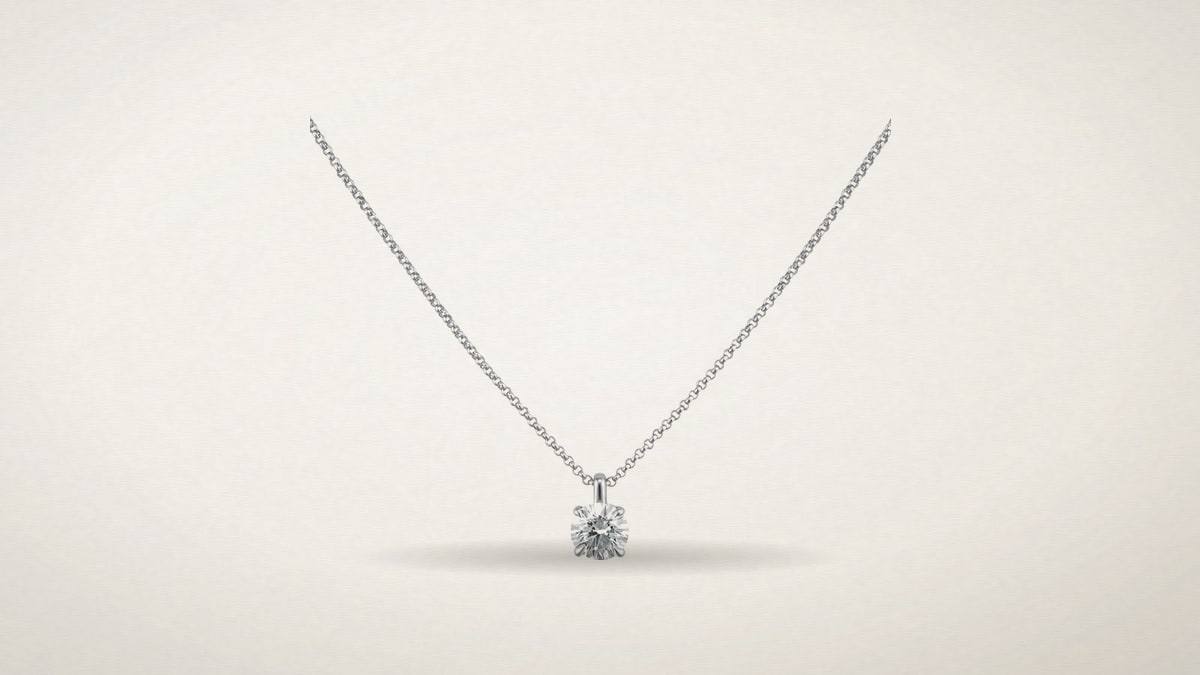 Diamond necklaces and pendants UK (2026): the best at every budget, all with the chainA diamond pendant is the necklace that goes with everything. This is the one to buy at every budget, from a 9ct gold bezel pendant to a GIA-certified carat, every one sold with its chain, and whether to pay for a bigger diamond or a better one.
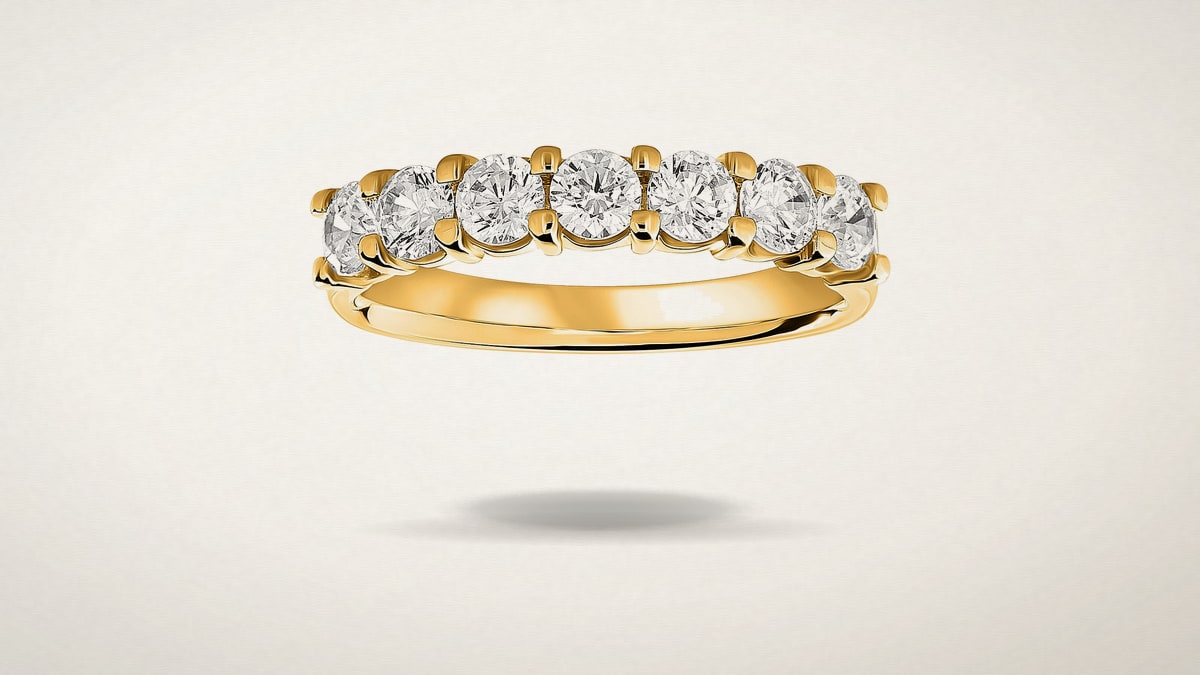 9ct vs 18ct gold, and white gold vs platinum: which should you buy? (2026)The metal changes the look, the wear and the price of a piece of jewellery as much as the stones do. This is what 9ct, 14ct and 18ct gold really mean, how white gold and platinum differ, and what you pay for each, using the UK's hallmarking standards and Goldsmiths' own prices for the same design in different metals.
 Mappin & Webb jewellery UK (2026): Gossamer, Masquerade, pearls and 18ct goldMappin & Webb is the British jeweller that, according to its own listings, has 240 years of jewellery expertise. At Goldsmiths it's the step up: 18ct gold and platinum, and diamonds graded higher than most at Goldsmiths. These are the pieces to buy, from about £600.
How we write these guides: every piece of jewellery is one you can buy new from a UK authorised retailer. Prices and specifications come from the retailer's own product page, and anything extra comes from the brand's website. We check prices and stock every morning, but they can change, so the retailer's page always has the final word. No brand or retailer pays to appear. Read how we choose watches and jewellery and our editorial policy; spotted a mistake? Email contact@sterlingguild.co.uk.