

Automatic, quartz or solar? How to choose a watch movement
The movement is the engine inside a watch. It decides how accurate the watch is, whether it needs a battery, and what looking after it involves. Here's how the three main types compare.
We don't sell watches. Links to retailers are affiliate links: if you buy after following one, the retailer may pay us a commission. You pay the same price, and no brand or retailer pays to appear. How this works
In this guide
Two watches can look almost identical and still work in completely different ways. Before you choose a dial colour or a strap, it's worth deciding which kind of movement suits you. It's the one choice that changes how you live with the watch day to day.
The short answer
- Choose quartz if you want the most accurate, lowest-effort watch for the money.
- Choose solar if you like quartz accuracy but don't want to think about batteries.
- Choose automatic if you value traditional craftsmanship and the sweep of a mechanical seconds hand, and don't mind a little upkeep.
| Quartz | Solar | Automatic | |
|---|---|---|---|
| Powered by | A battery | Light, stored in a rechargeable cell | The movement of your wrist |
| Typical accuracy | Seconds a month | Seconds a month | Seconds a day |
| If you leave it in a drawer | Keeps running | Keeps running for months | Stops after a day or few |
| Upkeep | A new battery every few years | Very little | A service every several years |
| Seconds hand | Ticks once a second | Ticks once a second | Sweeps smoothly |
Quartz: accurate and easy
A quartz watch runs on a battery. The battery makes a tiny quartz crystal vibrate at a very precise rate, and the watch counts those vibrations to keep time. That's why even inexpensive quartz watches are typically accurate to within around 15 to 20 seconds a month.
There's very little to look after: the battery usually needs changing every few years, and that's about it. Quartz suits you if you want a watch that's always right when you pick it up.
Solar: quartz without the battery changes
A solar watch is a quartz watch that charges itself from light. A panel behind the dial (which is often slightly translucent) tops up a rechargeable cell, from daylight or ordinary indoor lighting.
You get quartz accuracy, and once fully charged, many solar watches will keep running for months in the dark, depending on the model. If one does run low, a spell near a window brings it back. It's the most hands-off choice of all. Our guide to the best solar watches picks the best for men and women at every budget.
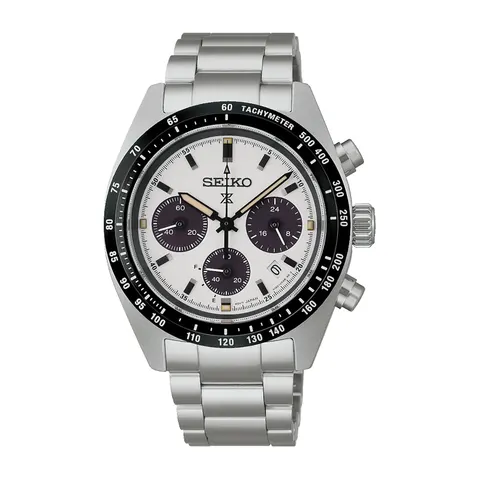
One example on Sterling Guild is Seiko's Prospex Speedtimer in white, a solar watch with a sapphire crystal and 100 metres of water resistance:
 Discover
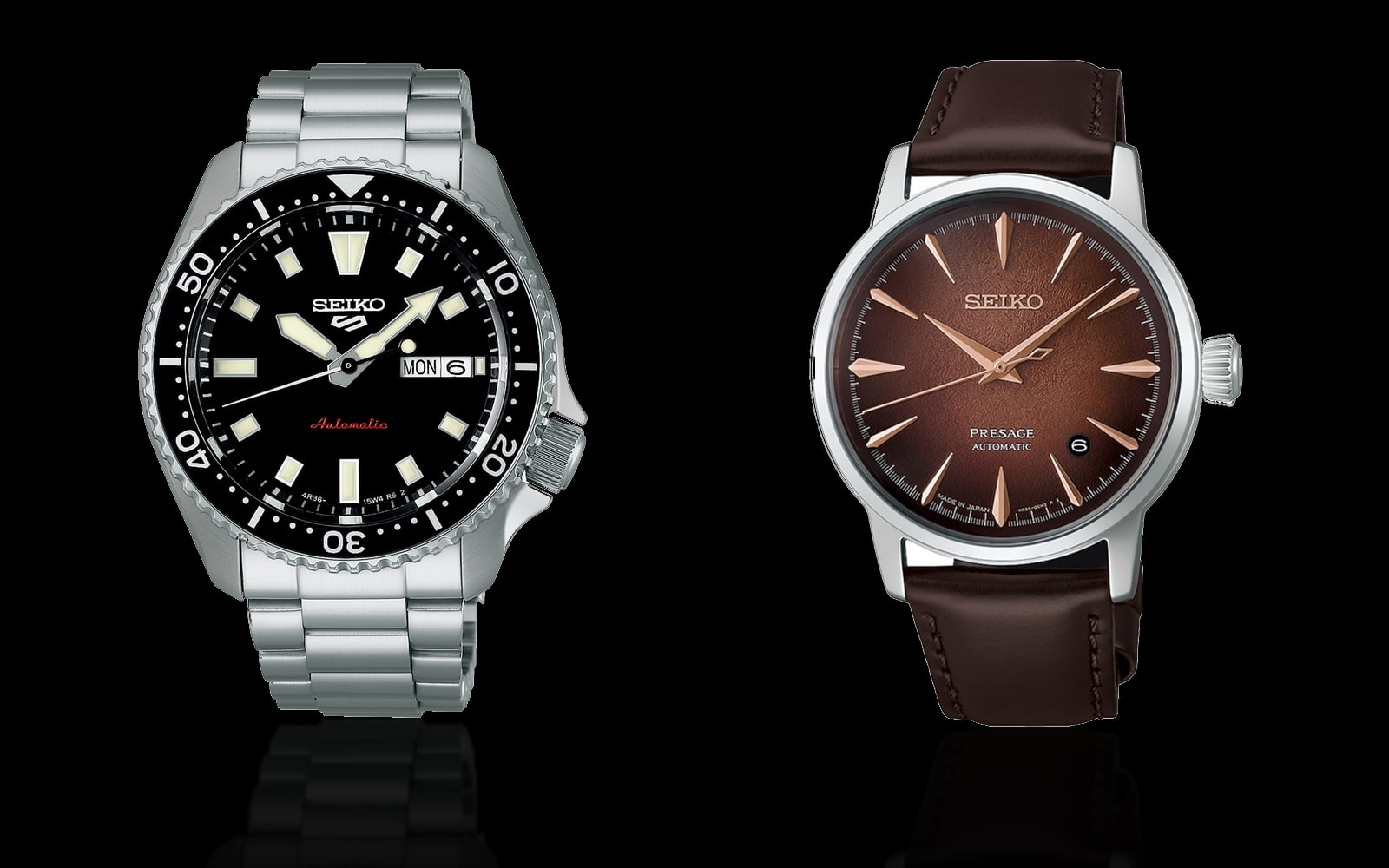
Seiko
92 watches at Goldsmiths, £260 to £3,550.
Discover all 92
Automatic: traditional and mechanical
An automatic watch has no battery at all. It's a mechanical movement of springs and gears, powered by a coiled mainspring. A weighted rotor inside spins as you move your arm, winding that spring as you go.
What you gain is craftsmanship: hundreds of tiny parts working together, often visible through a clear case back, and a seconds hand that sweeps rather than ticks. What you give up is some accuracy and convenience:
- Accuracy is measured in seconds a day, not a month. Affordable automatic movements are typically rated to within about 40 seconds a day: Seiko's 4R36, for example, is rated at between 35 seconds slow and 45 seconds fast. Chronometer-certified movements (tested by COSC, the Swiss testing body) must average between 4 seconds slow and 6 seconds fast a day.
- It stops if you don't wear it. Most automatics keep running for somewhere between about 40 and 80 hours off the wrist (this is called the power reserve). After that, you reset the time and give it a few turns of the crown to get it going.
- It needs servicing. Like any machine, a mechanical movement benefits from cleaning and fresh oil every several years. Each brand recommends its own interval.
See automatic watches, or read our guide to the best automatic watches under £500.
What about manual winding?
A manual-winding (or hand-wound) watch is mechanical like an automatic, but without the rotor: you wind it yourself using the crown, usually every day or two. Some people enjoy the ritual. It also allows a slimmer case, which is why it's popular in dress watches.
Which should you choose?
Ask yourself how you'll wear it:
- Every day, and you want no fuss: quartz or solar.
- One of several watches you rotate between: quartz or solar won't need resetting when you come back to them. An automatic will, unless you keep it on a watch winder.
- For the love of watches: most enthusiasts would say an automatic, for the engineering, the sweeping seconds hand and the sense of owning a small machine.
Whichever you choose, every watch on Sterling Guild lists its movement in the same specification table, so you can compare like with like.
Where to next
Decided? For automatics, see our best automatic watches under £500 and best Tissot watches (the Powermatic 80). For solar, best solar watches. For quartz with real quality, best men's watches under £500.
Automatic watches to compare
8 more from Goldsmiths, from £640 to £24,200. Prices and specifications are Goldsmiths' own; we haven't written about these ones in detail.
-
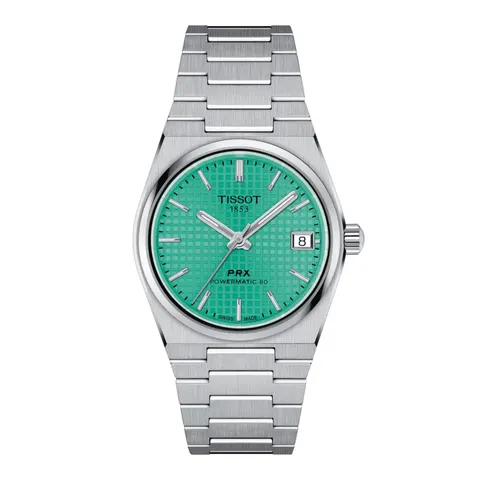 TissotPRX Powermatic 80
35mm · Automatic
£640Price at Goldsmiths, 28 October 2026
See it at Goldsmiths
-
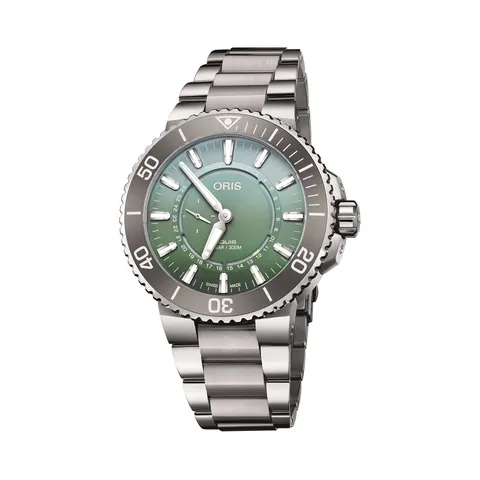 OrisAquis Dat Watt Limited Edition II
43.5mm · Automatic
£1,785
£2,550Sale price at Goldsmiths, 28 October 2026 See it at Goldsmiths -
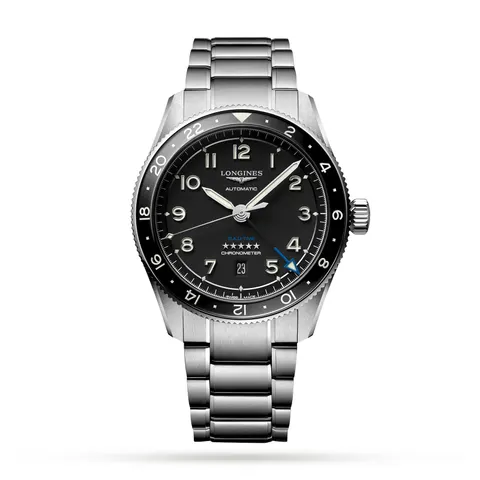 LonginesSpirit Zulu Time Pioneering time zones
42mm · Automatic
£2,950Price at Goldsmiths, 28 October 2026
See it at Goldsmiths
-
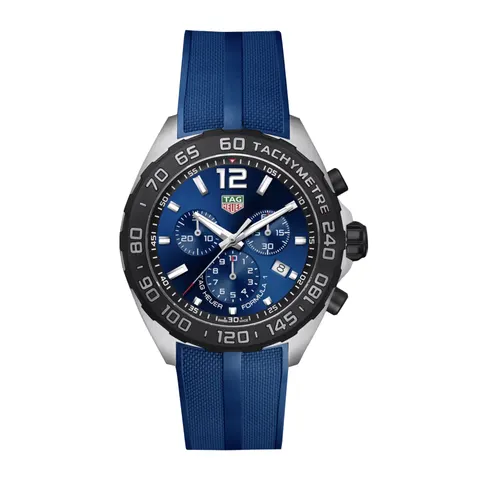
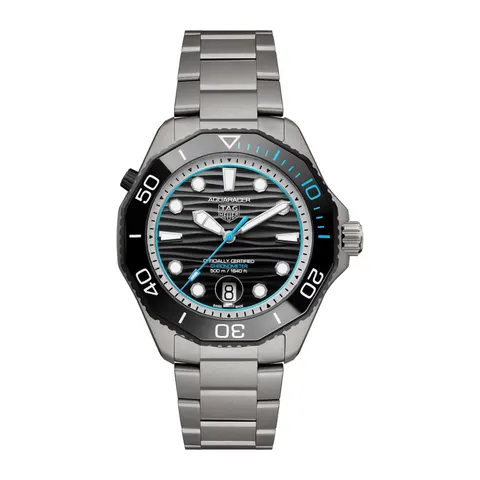 TAG HeuerAquaracer Professional 500 Date Limited Edition
42mm · Automatic
£4,550Price at Goldsmiths, 28 October 2026
See it at Goldsmiths
-
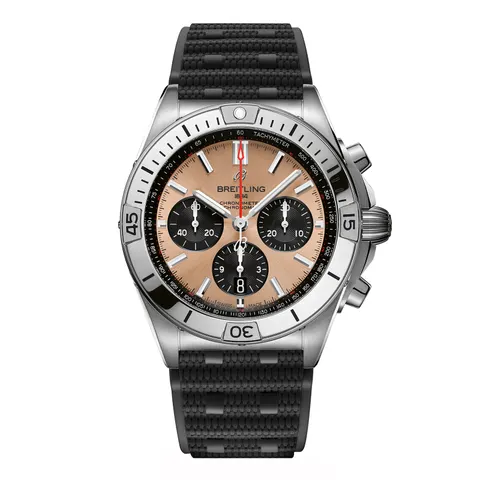
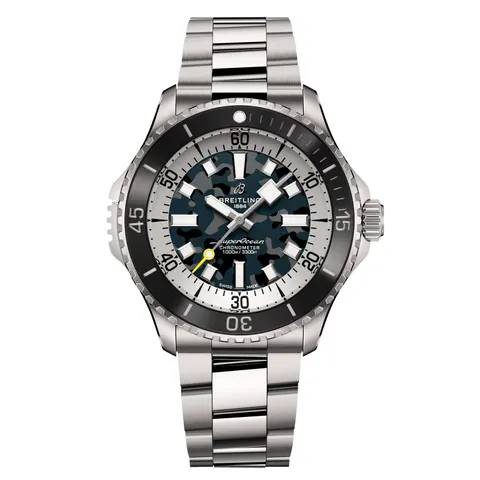 BreitlingSuperocean Automatic Super Diver
46mm · Automatic
£6,150Price at Goldsmiths, 28 October 2026
See it at Goldsmiths
-
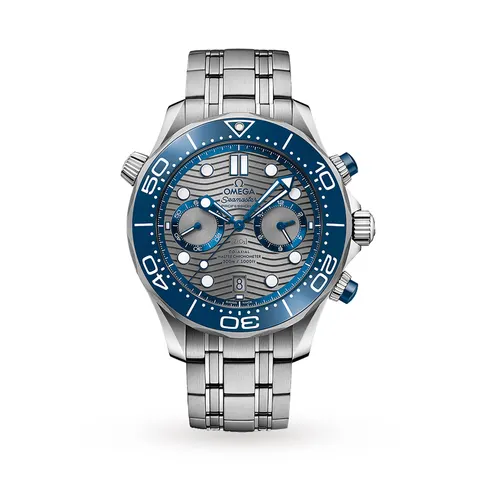 OmegaSeamaster Diver 300M Co-Axial
44mm · Automatic
£8,100Price at Goldsmiths, 28 October 2026
See it at Goldsmiths
-
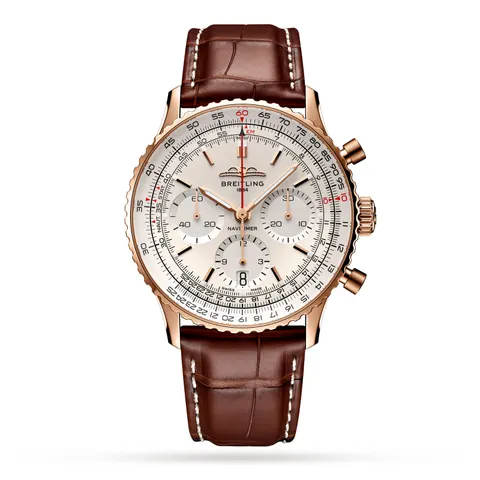
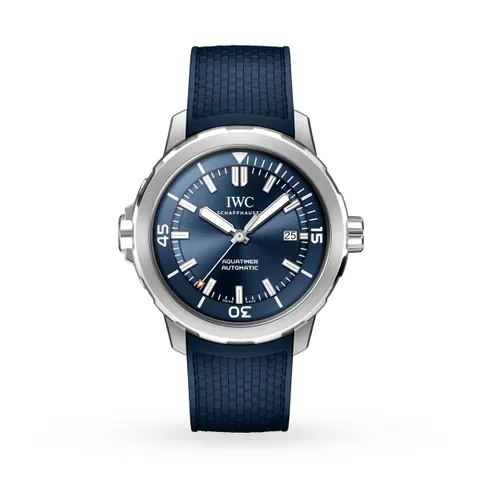
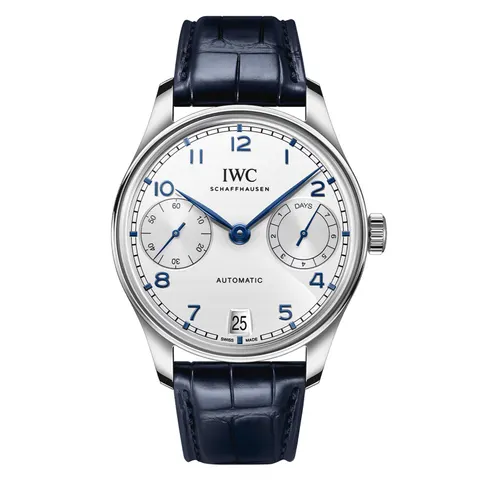 IWCPortugieser Automatic 42 Silver
42mm · Automatic
£11,600Price at Goldsmiths, 28 October 2026
See it at Goldsmiths
-
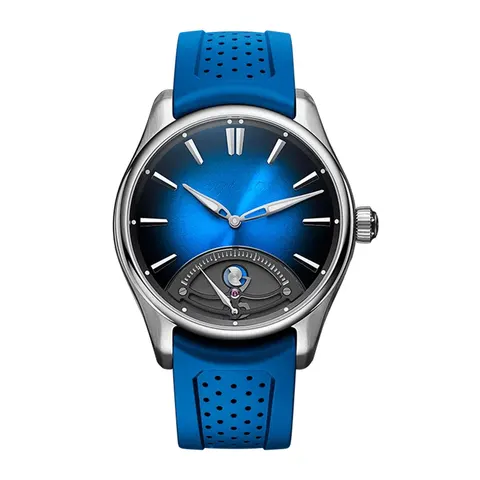
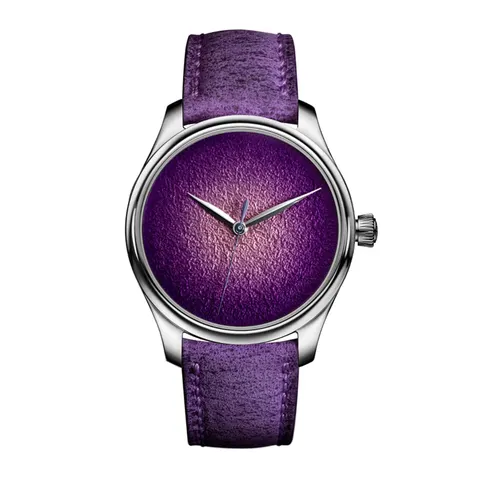
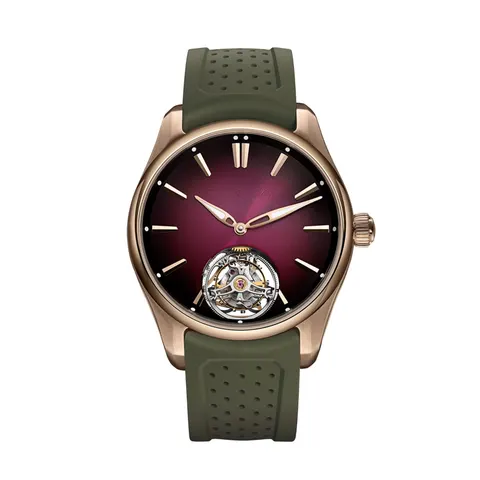
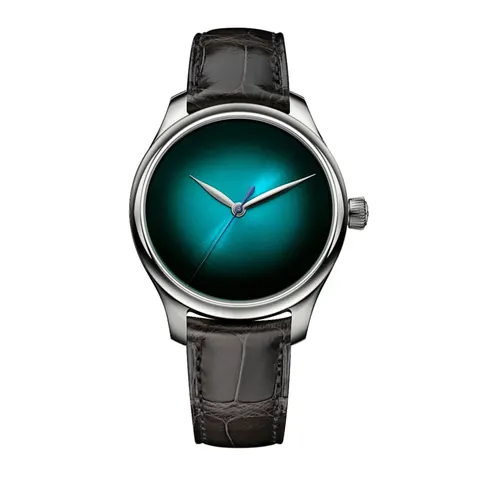 H. Moser & CieEndeavour Centre Seconds Blue Lagoon
38mm · Automatic
£24,200Price at Goldsmiths, 28 October 2026
See it at Goldsmiths
- Still looking?See every automatic watchSee them all
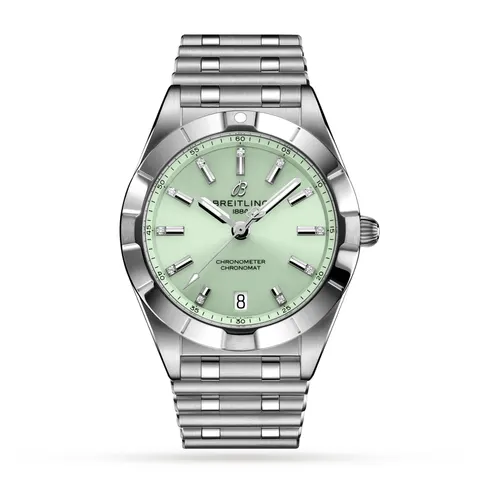
Quartz watches to compare
8 more from Goldsmiths, from £99 to £9,250. Prices and specifications are Goldsmiths' own; we haven't written about these ones in detail.
-
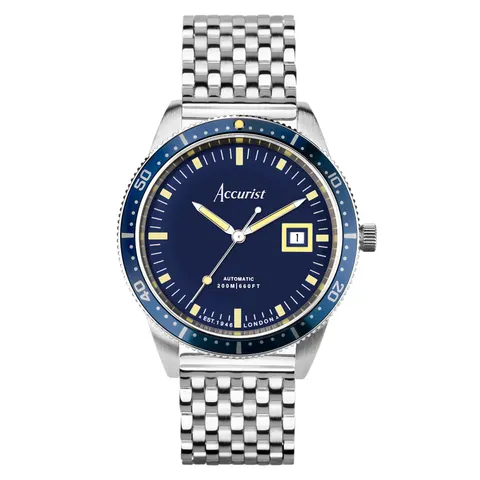
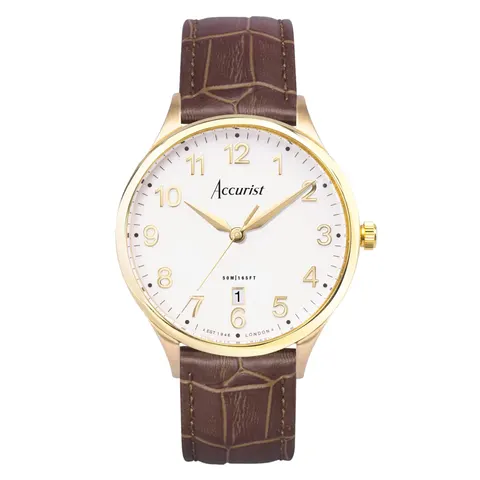 AccuristClassic Brown Leather White Dial
37mm · Quartz
£99Price at Goldsmiths, 28 October 2026
See it at Goldsmiths
-
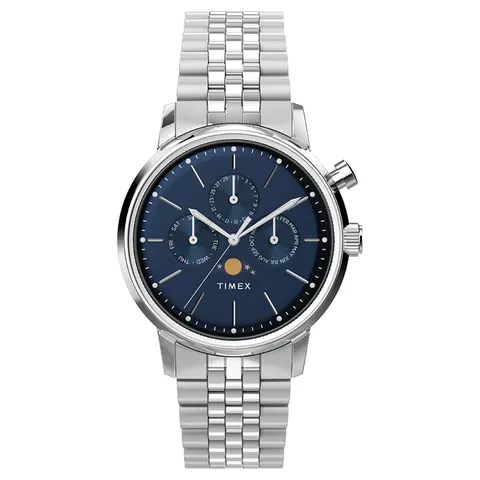 TimexMarlin Moon Phase
40mm · Quartz
£175Price at Goldsmiths, 28 October 2026
See it at Goldsmiths
-
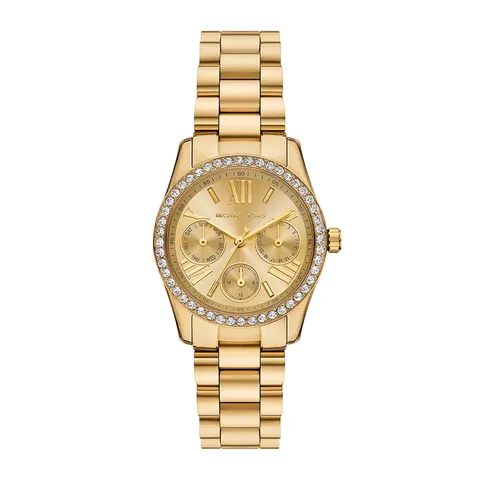 Michael KorsLexington
32mm · Quartz
£239Price at Goldsmiths, 28 October 2026
See it at Goldsmiths
-
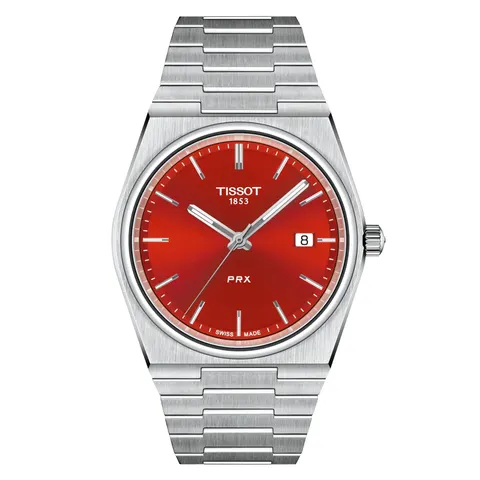 TissotPRX Quartz
40mm · Quartz
£335Price at Goldsmiths, 28 October 2026
See it at Goldsmiths
-
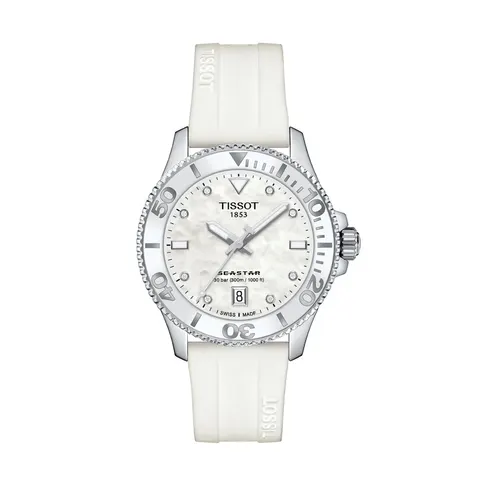 TissotSeastar 1000 Mother Of Pearl
36mm · Quartz
£475Price at Goldsmiths, 28 October 2026
See it at Goldsmiths
-
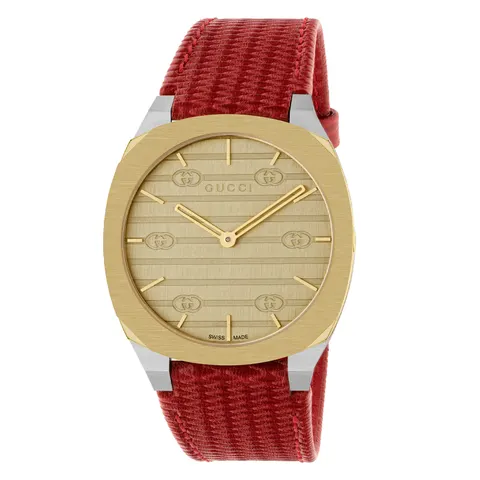 Gucci25H
34mm · Quartz
£1,460Price at Goldsmiths, 28 October 2026
See it at Goldsmiths
-
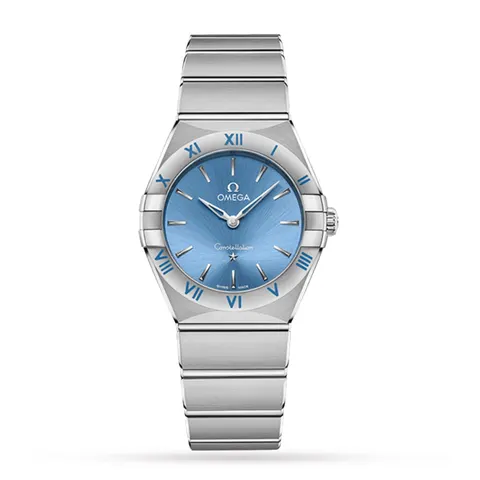 OmegaConstellation
28mm · Quartz
£3,000Price at Goldsmiths, 28 October 2026
See it at Goldsmiths
-
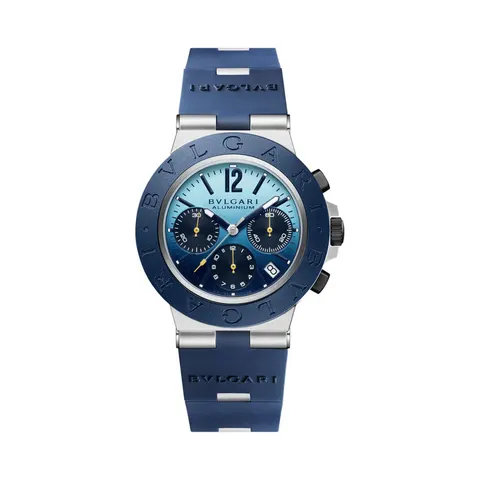
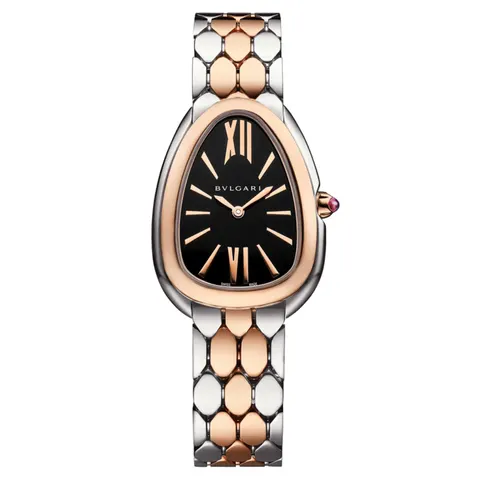
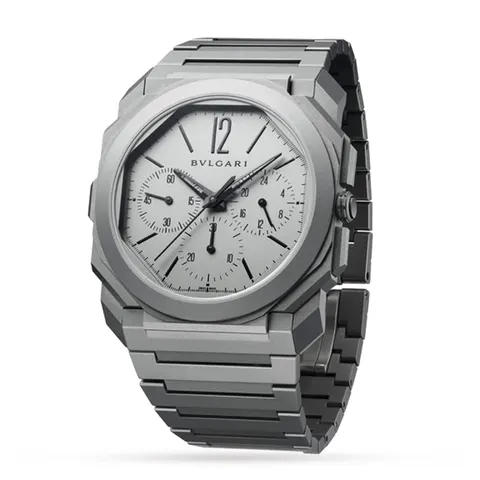
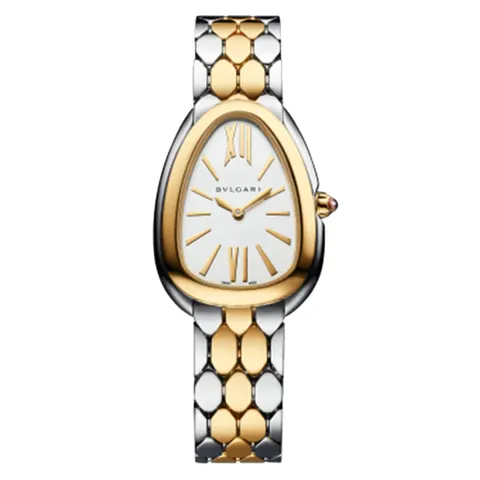 BVLGARISerpenti Seduttori
33mm · Quartz
£9,250Price at Goldsmiths, 28 October 2026
See it at Goldsmiths
- Still looking?See every quartz watchSee them all
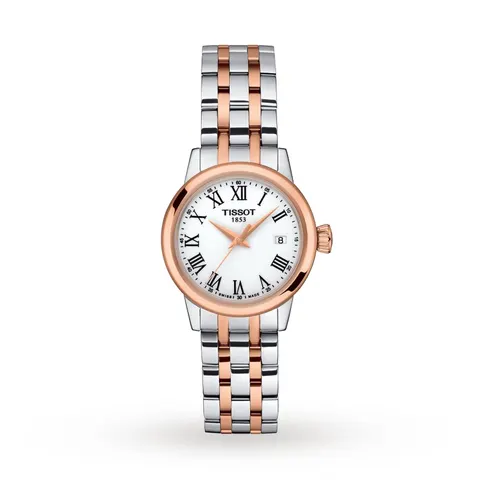
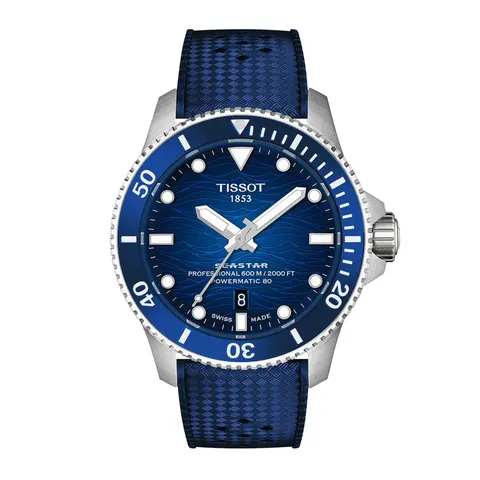
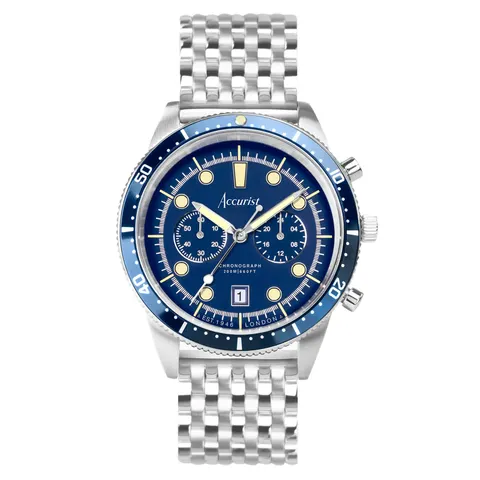
Solar watches to compare
8 more from Goldsmiths, from £219 to £3,750. Prices and specifications are Goldsmiths' own; we haven't written about these ones in detail.
-
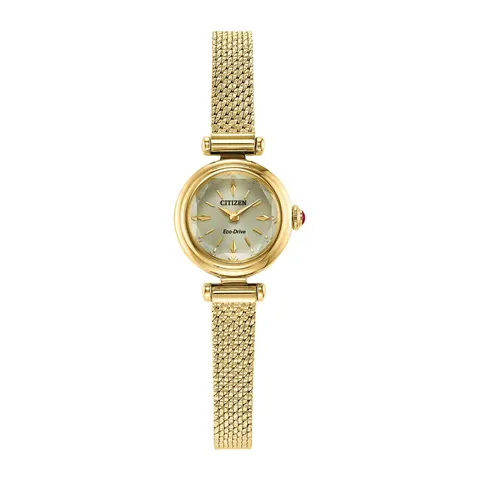
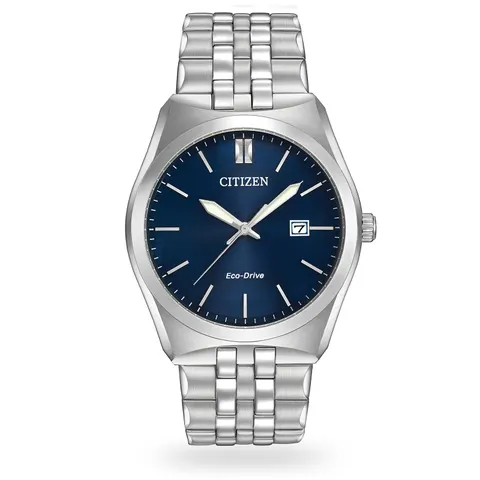 CitizenCorso
40mm · Solar (Eco-Drive)
£219Price at Goldsmiths, 28 October 2026
See it at Goldsmiths
-
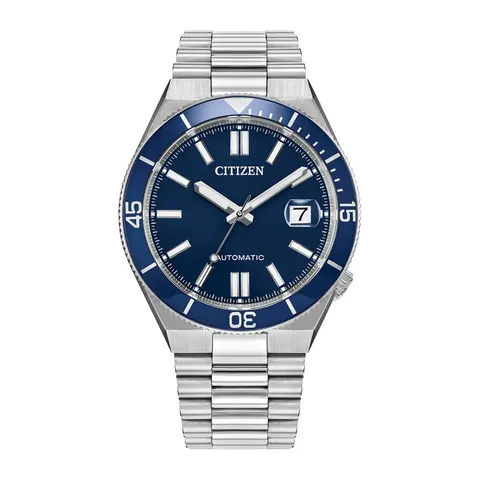
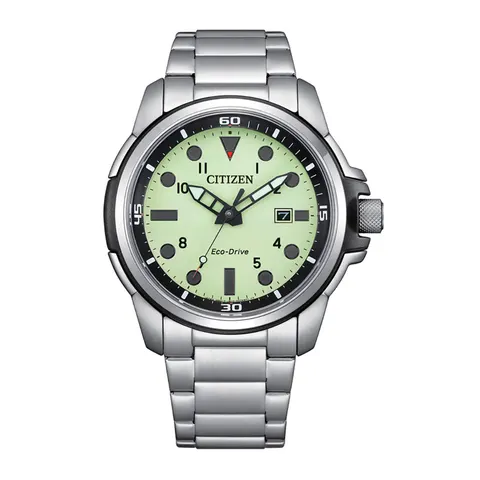 CitizenEco-Drive Of Sea Land
44mm · Solar (Eco-Drive)
£289Price at Goldsmiths, 28 October 2026
See it at Goldsmiths
-
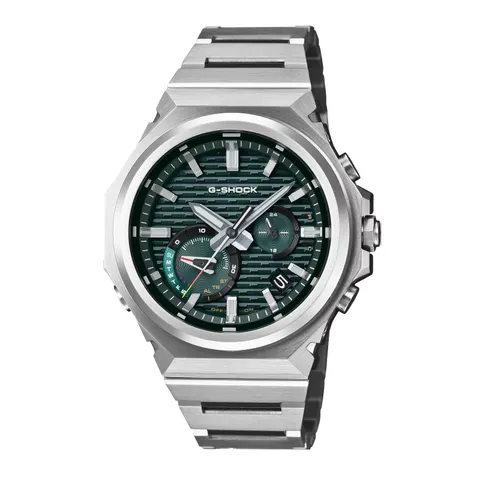 CasioG-Shock G-Steel GST-B1000 Series
47mm · Solar
£379Price at Goldsmiths, 28 October 2026
See it at Goldsmiths
-
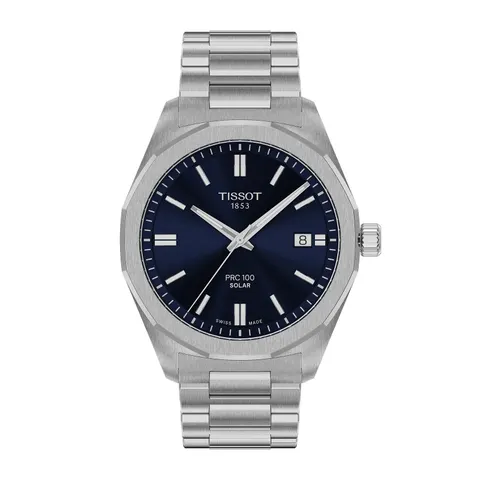
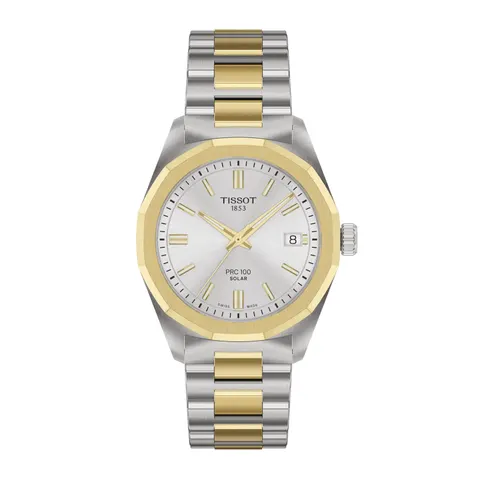 TissotPRC 100 Solar
34mm · Solar
£495Price at Goldsmiths, 28 October 2026
See it at Goldsmiths
-
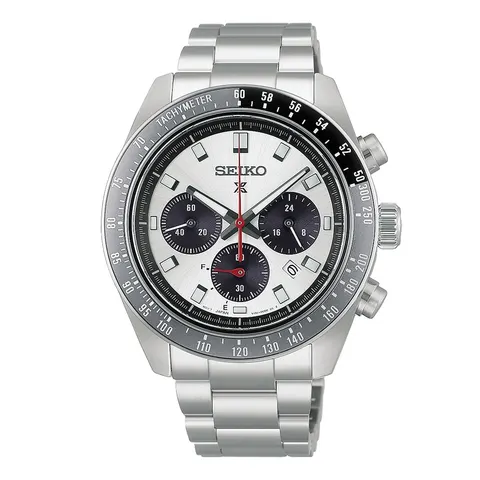 SeikoProspex Speedtimer Racing Solar Chronograph
41.5mm · Solar
£690Price at Goldsmiths, 28 October 2026
See it at Goldsmiths
-
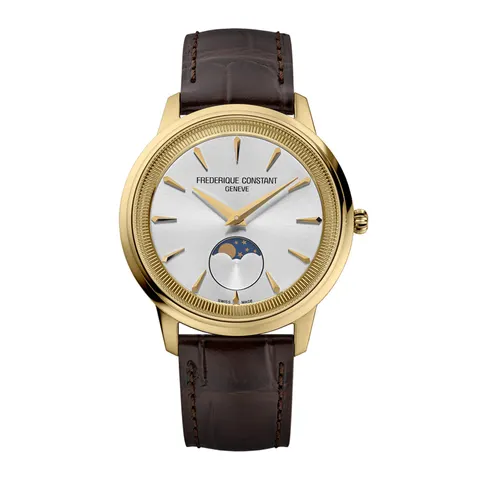 Frederique ConstantMoneta Moonphase
39mm · Solar
£995Price at Goldsmiths, 28 October 2026
See it at Goldsmiths
-
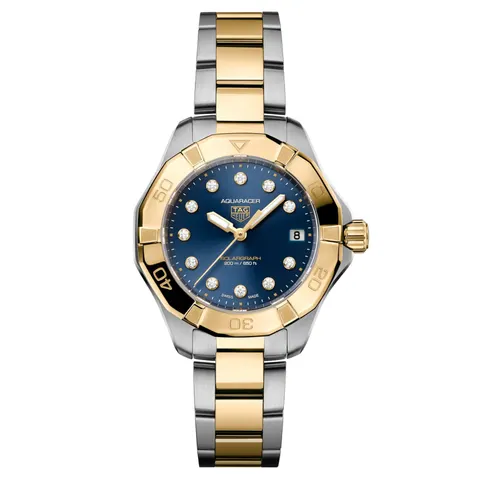
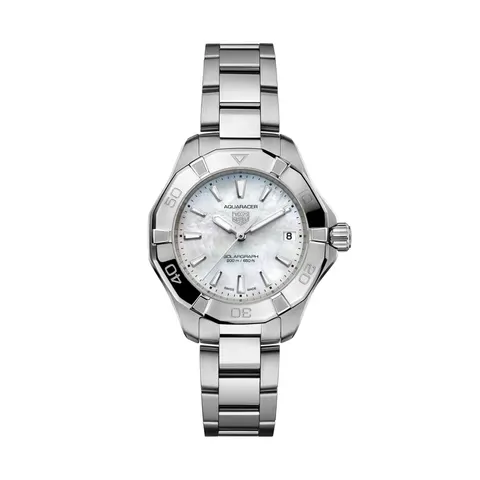 TAG HeuerAquaracer Professional 200 Solargraph
34mm · Solar
£2,350Price at Goldsmiths, 28 October 2026
See it at Goldsmiths
-
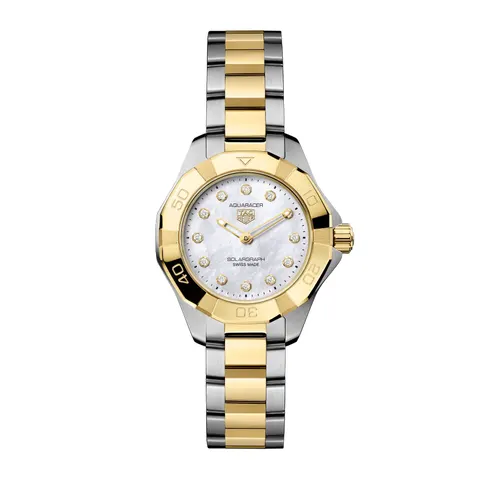 TAG HeuerAquaracer Professional 100
28mm · Solar
£3,750Price at Goldsmiths, 28 October 2026
See it at Goldsmiths
- Still looking?See every solar watchSee them all
Questions people ask
Which is better, automatic or quartz?
How long does an automatic watch run when you take it off?
Do solar watches need sunlight?
What is a hand-wound watch?
Related guides
 The best automatic watches under £500 in the UK (2026)An automatic watch winds itself as you move, with no battery at all. These are the best you can buy new in the UK for under £500, from a £190 Timex to a 300-metre diver, with honest notes on what each is like to own.
 The best solar watches in the UK (2026), for men and womenA solar watch charges from any light, so you never have to change its battery. These are the best solar watches you can buy new in the UK, for men and women, from a £75 Timex to Swiss and luxury models, with how charging really works.
 The best Tissot watches to buy in the UK (2026)Tissot has made watches since 1853 and is the best-value Swiss brand there is. This is which Tissot to buy, from the least expensive quartz PRX up to the automatic chronographs, with the best Tissot for men, for women and under £500.
 The best Seiko watches to buy in the UK (2026), for men and womenSeiko started as a Tokyo clock and watch repair shop in 1881 and now makes some of the best-value automatic watches in the world. This is which Seiko to buy, from a £260 Seiko 5 Sports up to King Seiko, with the best Seiko dive watch, dress watch and watch for women.
 The best men's watches under £500 in the UK (2026)Under £500 buys a properly good watch: Swiss quartz, Japanese automatics, solar divers and the toughest G-Shock in steel. These are the ten we'd buy, each for a different kind of wearer.
 The best field watches in the UK (2026), from £105A field watch is the simplest, toughest kind of watch there is: big numbers, a clear dial and a strap that can take a beating, born from the watches soldiers wore. These are the best field watches you can buy new in the UK, from £105 to the Hamilton Khaki Field and beyond.
How we write these guides: every watch is one you can buy new from a UK authorised retailer. Prices and specifications come from the retailer's own product page, and anything extra comes from the brand's website. We check prices and stock every morning, but they can change, so the retailer's page always has the final word. No brand or retailer pays to appear. Read how we choose watches and jewellery and our editorial policy; spotted a mistake? Email contact@sterlingguild.co.uk.